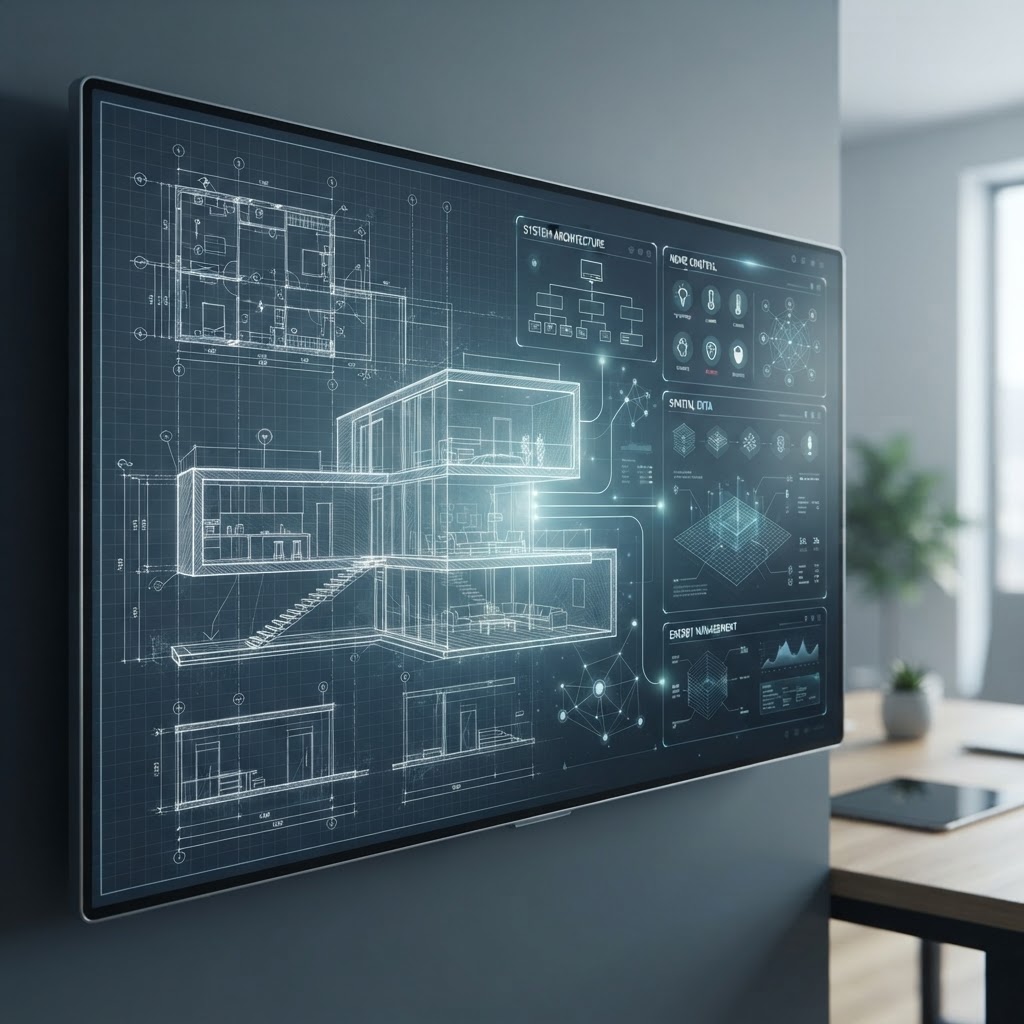
The Counterintuitive Reality of the High-Performance Wall
Most entrepreneurs enter the world of productivity seeking freedom. They buy the planners, download the latest task managers, and master the art of the deep work session. However, for many founders, there comes a point where the tools stop liberating and start accumulating. This is the Efficiency Trap: the counterintuitive reality where the more productive you become, the more 'stuck' you feel. When you increase your efficiency without changing your underlying architecture, you don't actually get more free time; you simply increase the volume of tasks the system can push onto your plate. This leads to a unique form of founder burnout recovery that requires more than just a vacation—it requires a complete life audit and a redesign of your personal operating system.
The Efficiency Trap: Why Optimization Isn't the Answer
Productivity systems often fail founders because they focus on doing more things faster. If you optimize a flawed system, you just get a more efficient mess. In a business context, being highly productive often means you become the ultimate bottleneck. Because you can handle 20% more tasks than last year, the system assumes you should. This creates a cycle where feeling stuck in life is a direct result of being too good at your job. To escape this, we must move from efficiency—optimizing the current mess—to architecture, which involves redesigning the system itself. This is the core of life coaching for entrepreneurs: moving from being the engine to being the architect.
Auditing for Freedom Leaks
When most people think about how to reset your life, they start with a time audit. They track every fifteen-minute block to see where the hours go. While useful, a time audit only shows you where you were, not why you were there. To achieve true business owner work-life balance, you need a Freedom Audit. A Freedom Audit doesn't track time; it tracks autonomy. It asks: Where am I losing my agency to automated, reactive patterns? Common freedom leaks include checking email as a default morning reflex, saying 'yes' to meetings that could be memos, and staying in the weeds of operations because it feels safer than high-level strategy. Identifying these 'bugs' in your daily routine is the first step toward sustainable habit change.
Building Your Personal Operating System (POS)
A Personal Operating System is not a to-do list; it is a framework for decision-making and energy management. Its primary goal is to protect your perfect ordinary day. Most high-achievers spend their lives chasing 'Dream Life' events—the big exit, the luxury vacation, the milestone award. But freedom is found in the quality of your Tuesday afternoon. A robust POS prioritizes high-leverage decisions and protects your cognitive load. It involves setting 'non-negotiable' system parameters, such as 'No meetings before 11 AM' or 'Friday is for deep architectural thinking.' By codifying these rules, you stop negotiating with yourself every morning, reducing decision fatigue and preventing that pervasive sense of feeling stuck in life.
Systemic Delegation: Debugging the Business
In the /method, we view the business not as a separate entity, but as a component of the founder's life system. Many founders treat delegation as a way to get rid of tasks they don't like. Systemic delegation goes deeper. It involves identifying which parts of the business are 'bugs' in your personal life. If a specific department requires your constant intervention, that isn't a performance issue; it's a structural bug. Redesigning these processes for sustainable habit change means building systems that don't rely on your 'heroics' to function. This transition from 'doing' to 'designing' is what separates a stressed business owner from a free founder.
Architecture Over Effort
Reclaiming your freedom isn't about working harder or waking up at 4 AM to squeeze in more tasks. It’s about recognizing that your current life is the perfectly logical output of your current system. If you want a different output, you must change the program. This isn't a matter of willpower; it’s a matter of architecture. By shifting your focus from sheer productivity to systemic design, you create space for the very things that inspired you to start your business in the first place: creativity, impact, and true autonomy. Change becomes possible when you can see the program. Explore the /method to start your redesign.